Our Short List of 3
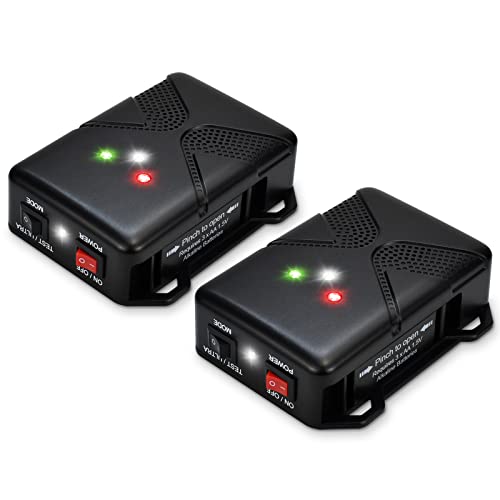
- Loraffe Battery Operated Rodent Repellent, 2 Pack (ASIN: B07N6JZ2J4) — ultrasonic plus flashing strobe, two units for two vehicles or two zones.
- Angveirt Rodent Repellent, Battery Operated, 1 Pack (ASIN: B08251FS86) — ultrasonic plus strobe, aimed at car engines, houses, garages, and attics.
- PestContro Portable Ultrasonic Rodent Repeller (ASIN: B00OACRO12) — a long-running portable design for rooms and storage spaces rather than engine bays.
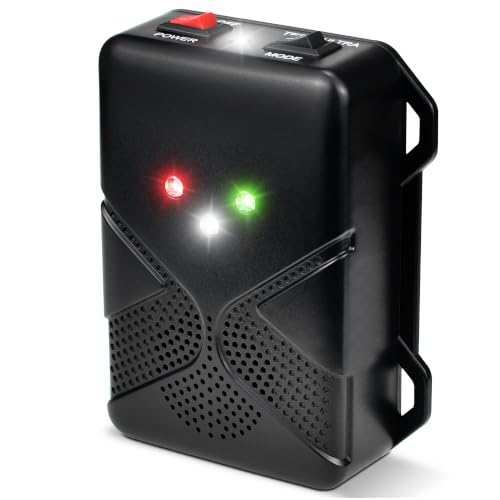
- Loraffe Under Hood Rodent Repeller, model ZN-509 (ASIN: B08K2VZNCV) — ultrasonic and strobe unit sized for a single engine compartment.
All 4 Picks at a Glance
| Product | Specs | Action |
|---|---|---|
| The Picks at a Glance |
| Check price on Amazon |
 2. Angveirt Rodent Repellent, Battery Operated, 1 Pack | Check price on Amazon | |
 3. PestContro Portable Ultrasonic Rodent Repeller | Check price on Amazon | |
 4. Loraffe Under Hood Rodent Repeller, Model ZN-509 | Check price on Amazon |
Key takeaways
- Compare battery operated rat repellent devices: cordless ultrasonic and strobe repellers for car engines, garages, attics, and sheds, with placement, battery, and safety guidance.
As an Amazon Associate we earn from qualifying purchases.
Affiliate Disclosure: This article contains affiliate links to products on Amazon. If you buy through those links, we may earn a commission from qualifying purchases, at no additional cost to you. Product details and specifications are taken from the manufacturer and Amazon product listings, not from detailed research by the author.
Why a Battery Operated Rat Repellent Is a Different Purchase
A battery operated rat repellent solves one specific problem: the places rats and mice actually nest are usually the places with no convenient power outlet. Engine bays, parked vehicles, attics, sheds, barns, crawl spaces, boats in storage, and the far corners of a garage are all warm, sheltered, and quiet, which is exactly what a rodent wants, and exactly where a plug-in ultrasonic repeller cannot reach. A cordless device removes the cord from the equation. You mount it, switch it on, and it works wherever you put it, including inside a vehicle that sits unused for days at a time.
That freedom comes with trade-offs you should understand before buying. Battery life is finite, so the device only protects you while its batteries hold a charge. Output is also modest by design: these are deterrent devices, not traps and not poison. They work by making a space unpleasant for rodents, using ultrasonic sound, strobe light, or both, so that nesting there stops feeling safe. They do not remove an established infestation on their own, and no honest guide should promise that they will. Used early, placed correctly, and combined with sealing entry points and removing food sources, they are a sensible, chemical-free layer of protection. Used as the only response to a heavy infestation, they will disappoint.
This guide compares four cordless repellers that are all the same product type: battery powered electronic rodent repellent devices. There are no traps, baits, sprays, or plug-in-only units dressed up as cordless picks. Specifications below come from the product listings and manufacturer information for each model.
The Picks at a Glance
- Loraffe Battery Operated Rodent Repellent, 2 Pack (ASIN: B07N6JZ2J4) — ultrasonic plus flashing strobe, two units for two vehicles or two zones.
- Angveirt Rodent Repellent, Battery Operated, 1 Pack (ASIN: B08251FS86) — ultrasonic plus strobe, aimed at car engines, houses, garages, and attics.
- PestContro Portable Ultrasonic Rodent Repeller (ASIN: B00OACRO12) — a long-running portable design for rooms and storage spaces rather than engine bays.
- Loraffe Under Hood Rodent Repeller, model ZN-509 (ASIN: B08K2VZNCV) — ultrasonic and strobe unit sized for a single engine compartment.
All four devices below run on replaceable AA batteries, emit ultrasonic sound aimed at rodents, and are built for enclosed or semi-enclosed spaces such as engine compartments, garages, and attics. They differ in pack count, whether they add a strobe light, and whether they are designed primarily for under-hood use or for portable placement around a building.
1. Loraffe Battery Operated Rodent Repellent, 2 Pack
The Loraffe two-pack is the natural starting point for the most common use case, which is protecting a vehicle. The listing describes a battery powered under-hood animal repeller that combines ultrasonic output with a flashing strobe light, so it targets two senses at once: the sound is intended to create auditory stress for rodents, and the flashing light targets their eyesight in a dark engine bay. The maker presents that combination as a way to make the space feel hostile enough that rats, mice, and squirrels move on instead of nesting and chewing wiring.
Power comes from three AA alkaline batteries per unit, which are not included, and the listing states at least sixty days of continuous operation on a set of batteries. That figure matters for planning: a vehicle in regular use can be checked whenever you are under the hood anyway, but a stored car, a truck that sits at a work site, or a second vehicle used only occasionally needs a calendar reminder to check and replace batteries, because a repeller with flat batteries is simply a small plastic box.
The two-pack format, model ZN-5092P2 in the listing, is the practical advantage here. Most households that have a rodent problem in one vehicle have the conditions for a problem in another, and garages, attics, and barns are also named in the listing as suitable locations. Two identical units let you cover two engine bays, or one engine bay and one storage space, with the same battery routine and the same mounting approach. If you only need a single unit, the same brand family offers single versions, covered below, but for multi-vehicle households the pair is the coherent buy.
Choose this one if your main worry is wiring damage in parked vehicles and you want strobe plus ultrasound in both of them from day one.
2. Angveirt Rodent Repellent, Battery Operated, 1 Pack
The Angveirt unit is a single battery operated ultrasonic repeller with strobe lights, positioned for car engines first and for house, garage, and attic use as well. The listing describes it as a humane mouse and rat deterrent intended to prevent nesting and wire damage, which is the correct framing for this whole category: deterrence and prevention, not extermination.
A single pack suits a single problem space. If one car is being targeted, or one attic corner shows droppings and shredded insulation, a single unit lets you place the deterrent exactly where the activity is instead of spreading coverage thinly. The strobe element is most relevant in dark, enclosed spaces such as an engine bay or a roof void, where a flashing light is a stronger disturbance than it would be in a bright, open room.
As with every device in this guide, read the battery requirement on the listing before ordering so you have the right cells on hand, and plan placement before you mount anything. In an engine bay the unit needs to sit clear of moving parts, belts, and the hottest surfaces, and it needs to be secured so it cannot shift while driving. In a house or attic it needs to face the open space rather than a wall, because ultrasonic sound does not pass through solid obstacles and is weakened by soft furnishings, insulation, and stored clutter.
Choose this one if you have one vehicle or one indoor trouble spot and want combined ultrasound and strobe in a single, focused unit.
3. PestContro Portable Ultrasonic Rodent Repeller
The PestContro Portable is the indoor and storage-space option in this list. Instead of being shaped around an engine bay, it is a portable cordless unit for kitchens, offices, garages, basements, sheds, storage areas, attics, and cottages. The listing states that it is powered by three AA batteries, has an on and off switch to save power, an LED indicator light, and an audible test button, so you can confirm the unit is working even though its normal output is designed to be inaudible to most people.
The operating pattern described in the listing is also different from the under-hood units. The PestContro emits regular one-second bursts at frequencies described as inaudible to most humans and pets but uncomfortable for unwanted pests, and it is presented as a dual-frequency, non-lethal approach for mice, rats, squirrels, and chipmunks. Burst operation and a simple power switch make it better suited to intermittent use: switch it on when a cottage is closed up, when a storage unit is left unattended, or when a basement corner becomes active, and switch it off when the space is in daily use and you would rather save the batteries.
Portability is the real strength. There is no mounting under a hood and no wiring of any kind, so the same unit can move from a shed in autumn to a garage in winter as rodent pressure shifts with the weather. The limits are the limits of ultrasound itself: one unit covers one open area, walls block the signal, and a large or cluttered space may need more than one device or a different strategy altogether.
Choose this one if your problem is inside buildings and storage spaces rather than inside a vehicle, and you value being able to move the repeller as seasons change.
4. Loraffe Under Hood Rodent Repeller, Model ZN-509
The single Loraffe under-hood unit, model ZN-509, covers the same ground as the two-pack above in a one-unit format. The listing describes a battery operated ultrasonic repeller with a strobe light for car engines, requiring three AA batteries, and presents the combination of sonic and ultrasonic waves plus LED strobe as a way to create a hostile environment under the hood so animals are forced to move on and escape from the vehicle.
This is the pick for a household with exactly one vehicle at risk. A commuter car parked outside overnight, a classic car that leaves the garage only in good weather, or a work truck stored at a yard are all single-target situations, and in each case the cost and effort that matter are not the device itself but the habit of checking it. Because the unit lives out of sight, build the battery check into an existing routine: every fuel fill for a daily car is too often, but a monthly check aligned with tyre pressures or fluid levels is realistic and easy to keep.
Mounting discipline matters more than any specification. Follow the maker instructions for position and fixing, keep the unit away from exhaust components and moving parts, and remove it or follow the maker guidance before any engine work, pressure washing, or jump starting. A deterrent that is installed carelessly becomes a hazard of its own, which defeats the purpose of a device bought to prevent damage.
Choose this one if you want the Loraffe approach for a single engine bay and do not need the second unit the two-pack provides.
How Ultrasonic Rat Repellents Actually Work
Ultrasonic repellers emit sound at frequencies above the range most humans can hear. Rodents hear into that range, and the idea is that persistent, varying ultrasonic noise makes a sheltered space feel exposed and stressful, so animals choose somewhere else to nest. Many battery units add a strobe light because rodents in dark spaces are also sensitive to sudden light, and because a second stimulus is harder to habituate to than one.
Three honest limits follow from the physics. First, ultrasound behaves like light in one important way: it travels in straight lines and does not bend around corners or pass through walls, cupboards, or engine components. Placement and line of sight matter more than raw output. Second, rodents can habituate to a constant, unchanging stimulus, which is why variable-frequency and burst designs exist and why moving a portable unit occasionally can help. Third, a repeller does nothing about the reasons rodents came: food, water, shelter, and entry holes. Seal gaps around pipes and vents, store pet food and bird seed in closed containers, clear nesting material, and fix the access point, or new animals will keep testing the space no matter what device is running.
Scientific and regulatory assessments of ultrasonic pest devices have historically been cautious about strong effectiveness claims, and results in real buildings vary. Treat these devices as one layer in an integrated approach, monitor for droppings and damage after installing them, and escalate to trapping or a licensed pest professional if activity continues. That is not a weakness of these particular models; it is the responsible way to use the entire product category.
Placement Guide: Engines, Garages, Attics, and Sheds
In an engine bay, mount the unit high and facing into the open space of the compartment, secured against vibration, clear of belts, fans, and hot exhaust parts. Check it whenever the hood is open and replace batteries on a schedule rather than waiting for the indicator or output to fade.
In a garage, place the unit near the most likely nesting zone, which is usually a quiet corner, a stored vehicle, or shelving with soft material, and face it across open floor. One unit in a large double garage with vehicles, benches, and storage boxes is unlikely to cover everything, because each obstacle casts an ultrasonic shadow.
In an attic, position the unit near signs of activity and near the likely entry point if you know it, then seal that entry point once animals are out. Never seal an entry while animals may still be inside, or you will trap them in the structure.
In sheds, barns, boats, and stored vehicles, the battery format earns its keep because there is often no power at all. The trade-off is visits: an unattended space still needs periodic checks for battery condition, water ingress, and new signs of activity.
Battery Life and Maintenance
All four picks use replaceable AA batteries, which keeps running simple and avoids proprietary packs. Alkaline cells are the baseline named in the Loraffe listings, with around sixty days of continuous operation stated for the two-pack. Real life varies with temperature, because cold engine bays and unheated sheds reduce battery performance, and with how the device cycles its output and strobe.
Keep a written or phone reminder for each installed unit, keep spare AA batteries where the device is used, and replace all cells in a unit at the same time rather than mixing old and new. When you replace batteries, also wipe the unit, check its mounting, and look for fresh droppings, nesting material, or new chew damage nearby. That two-minute inspection is what turns a fit-and-forget gadget into an actual monitoring routine, and it is how you learn early whether deterrence is working or whether you need traps or professional help.
Safety Notes
These devices are chemical-free and non-lethal, which is a genuine advantage around food storage, children, and pets, but a few cautions still apply. Ultrasonic output is described by makers as inaudible to most humans and pets, yet some animals, including pet rodents such as hamsters, gerbils, and pet rats, hear the same frequencies as their wild relatives. Do not place a repeller in or near the room where pet rodents live. Dogs and cats are generally not the target audience for these frequencies, but if a pet shows persistent distress in a space with a repeller, move the device.
In vehicles, never mount anything where it can contact moving or extremely hot parts, interfere with pedals, steering, or airbags, or come loose while driving. If you are unsure about a mounting point, have a mechanic place it during routine service. And remember that a repeller is not a substitute for repairing wiring that rodents have already damaged, because damaged insulation is a fault risk whether or not the animals return.
How to Choose Among These Four
Start with the space, not the brand. Vehicle-only problems point to the Loraffe or Angveirt under-hood units. Two vehicles or a vehicle plus a storage space point to the Loraffe two-pack. Indoor rooms, cottages, and storage areas point to the PestContro Portable. Then count your maintenance reality: every unit you install is a unit whose batteries you must maintain, so fewer, well-placed devices that you actually check will outperform a scatter of forgotten ones.
Finally, set a review date. Give the installation a few weeks, inspect for fresh activity, and be ready to add sealing, trapping, or professional help if the signs continue. A repellent that is monitored is a tool. A repellent that is never checked is a hope.
Frequently Asked Questions
Do battery operated rat repellents work through walls?
No. Ultrasonic sound is blocked by walls and large obstacles, so each enclosed space needs its own unit placed with a clear line of sight across the area you want to protect.
How long do the batteries last?
The Loraffe two-pack listing states at least sixty days of continuous operation on three AA alkaline batteries per unit. Cold temperatures and heavy strobe use can shorten real-world life, so check units monthly.
Are ultrasonic repellers safe around pets?
They are intended to be inaudible to most humans, dogs, and cats, but pet rodents hear ultrasonic frequencies and should not be housed near an operating repeller. If any pet seems distressed, relocate the device.
Can a repeller clear an existing infestation?
It is a deterrent, not a removal method. For an established infestation, combine deterrence with sealing entry points, removing food and nesting material, trapping, or a licensed pest professional.
Where is the best place for an under-hood repeller?
High in the engine bay, facing the open compartment, firmly secured, and clear of belts, fans, and exhaust components, following the maker instructions for your specific unit.