Key takeaways
- Corded: steady power, lower overall cost because there is no battery, and a larger 7-1/4 inch blade. You need an outlet and a properly rated extension cord.
- Cordless: no cord to snag, ideal for roofs, fences and outdoor projects. Runtime depends on the battery, and many saws in this price band are bare tools.
For most homeowners, a corded 7-1/4 inch saw such as the DeWalt DWE575 is the most dependable way to get a circular saw under $150, because it includes the blade, needs no battery and handles plywood, framing lumber and deck boards without running out of charge. A cordless 6-1/2 inch saw like the Makita XSS02Z or the Milwaukee M18 6-1/2 inch model makes sense only if you already own the matching 18V battery system, since both are listed by their makers as tool only. The decision comes down to whether you value unlimited runtime or cord-free convenience, and whether you already have batteries.
This guide compares those saws using the specifications the makers publish, explains blade size, depth of cut, bevel and power type, and covers the safety habits that matter most when you cut sheet goods and lumber around the house.
Our top picks


As an Amazon Associate we earn from qualifying purchases at no extra cost to you.
Circular saws at a glance
| Model | Power | Key stated specs | Best for | Limits |
|---|---|---|---|---|
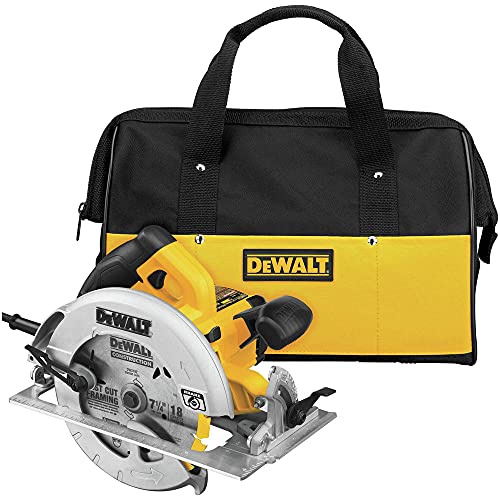
| DeWalt DWE575 | Corded, 15 amp brushed motor | 7-1/4 in blade, 8.8 lb, 2-9/16 in depth at 90 degrees, 57-degree bevel with stops at 45 and 22.5, aluminum base | General framing, decking and plywood | Cord limits movement |
| Makita XSS02Z | Cordless 18V LXT, tool only | 6-1/2 in blade, 3,700 RPM, 2-1/4 in depth at 90 and 1-9/16 in at 45, 0 to 50-degree bevel, 7.3 lb with battery | Light carpentry, if you own Makita batteries | Battery and charger sold separately |
| Milwaukee M18 6-1/2 in (2630-20) | Cordless M18, tool only | 3,500 RPM, aluminum shoe, magnesium upper guard, electronic brake | Owners of M18 batteries | Battery and charger sold separately |
DeWalt DWE575: the corded all-rounder
DeWalt lists the DWE575 as a corded 7-1/4 inch saw with a 15 amp brushed motor and a weight of 8.8 pounds, which it describes as one of the lightest in its class. The maker gives a depth of cut of 2-9/16 inches at 90 degrees, a 57-degree bevel capacity with stops at 45 and 22.5 degrees, and a high-grade aluminum base. Other listed features are an anti-snag ball-bearing lower guard, an integrated dust blower to clear the cut line, a Toughcord for durability and on-board blade wrench storage. The box includes a carbide-tipped 7-1/4 inch blade, a blade wrench and the manual, and DeWalt supplies a limited warranty with it.
A few retailer listings show a different bevel figure, so rely on the DeWalt product page and the manual. A related DWE575SB version adds a contractor bag; confirm from the maker which features differ between the two before choosing one.
Makita XSS02Z: compact cordless
Makita lists the XSS02Z as a 6-1/2 inch cordless circular saw with 3,700 RPM no-load speed, a bevel range of 0 to 50 degrees, and a maximum depth of cut of 2-1/4 inches at 90 degrees and 1-9/16 inches at 45 degrees. It weighs 7.3 pounds with the battery and is sold tool only: the battery and charger must be purchased separately. It has a brushed motor, an aluminum base, a soft-grip handle and Makita Star Protection computer controls against overload and overheating. A 16-tooth carbide-tipped blade is included, and it works with 18V LXT batteries.
A 6-1/2 inch blade gives a shallower cut than a 7-1/4 inch saw, which matters for cutting two-by lumber at an angle. For plywood, trim and deck boards it is usually sufficient.
Milwaukee M18 6-1/2 inch circular saw (2630-20)
Milwaukee lists this tool-only model with a 3,500 RPM motor, a 6-1/2 inch blade, an aircraft aluminum shoe for accuracy in rip cuts, a magnesium upper guard, an electronic brake, a soft-grip handle and on-tool wrench storage. It is part of the M18 system, which the maker says covers over 200 tools. The product page does not list the depth of cut or weight in its overview, so consult the manual for those figures. As with the Makita, you need the battery and charger from another purchase.
Corded or cordless?
- Corded: steady power, lower overall cost because there is no battery, and a larger 7-1/4 inch blade. You need an outlet and a properly rated extension cord.
- Cordless: no cord to snag, ideal for roofs, fences and outdoor projects. Runtime depends on the battery, and many saws in this price band are bare tools.
Reviewers commonly point out that for a homeowner who cuts occasionally, a corded saw offers better value, while cordless makes more sense when you already use the same battery for other tools.
Features to compare
Blade size
The 7-1/4 inch blade is the standard for framing and offers more depth. The 6-1/2 inch blade is lighter and easier to maneuver, though it cuts less deeply. Use only blades that match the saw’s maximum rating and arbor size.
Depth of cut and bevel
Check that the depth at 90 degrees fits the thickest material you cut, and note the depth at 45 degrees for mitered or beveled cuts. Bevel stops at common angles, like the 45 and 22.5 degrees on the DeWalt, speed up setups.
Base and guard
An aluminum base stays flat and resists bending better than a stamped steel one. A guard that retracts smoothly, such as the anti-snag lower guard described by DeWalt, is essential for safe, consistent cuts.
Brake and dust blower
Where a saw has an electric brake, as the Milwaukee does, it stops the blade quickly. A dust blower clears sawdust from the line so you can see your mark.
Weight
At 8.8 pounds, the DeWalt is easier on the arms during vertical or overhead cuts than heavier worm-drive saws.
Common home jobs and what they need
- Cutting plywood panels for shelving or cabinets: a fine-tooth blade, a straightedge guide clamped to the sheet and a saw whose base stays flat. Support the sheet on foam board or sawhorses so the offcut does not pinch the blade.
- Trimming deck boards and fence pickets: a general-purpose blade and a saw with enough depth to clear the board in one pass. Either blade size covers this.
- Cutting two-by framing lumber: favors the 7-1/4 inch saw, especially for angled cuts where depth drops at 45 degrees.
- Cutting laminate or finished surfaces: use a blade made for that material and place painter’s tape along the line to reduce chipping.
Safety essentials
- Wear eye and hearing protection and a dust mask when cutting.
- Support the workpiece and keep the cut-off from pinching the blade.
- Never defeat or wedge the lower guard.
- Set the blade depth to about a quarter inch below the material.
- Unplug a corded saw or remove the battery before changing blades.
- Keep the cord clear of the cutting path and use a properly rated extension cord.
- If you are unsure about electrical supply or extension cords, consult a qualified electrician.
Pick X if you…
| If you… | Pick | Why |
|---|---|---|
| Want a complete corded saw | DeWalt DWE575 | Blade, wrench and manual included, 15 amp motor |
| Own 18V LXT batteries | Makita XSS02Z | Compact cordless, tool only |
| Own M18 batteries | Milwaukee 2630-20 | Electronic brake, aluminum shoe |
| Cut mostly sheet goods and trim | 6-1/2 in cordless saw | Lighter and handy |
| Cut two-by lumber at angles | 7-1/4 in corded saw | Deeper cut at both 90 and 45 degrees |
Alternatives to consider
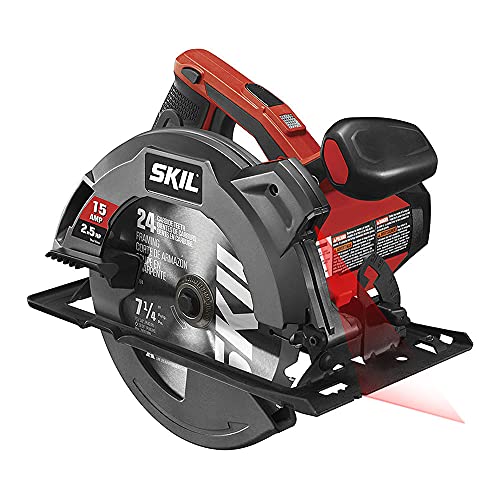
- Skil corded saws: Skil sells 7-1/4 inch corded circular saws in 13 amp and 15 amp versions, such as the 5080-01 and 5280-01 models listed on its site. Read the maker’s page for current specifications.
- Ryobi and Ridgid cordless saws: both have 18V options within their battery systems.
- Jigsaw or track saw: a jigsaw handles curves, while a track saw gives straighter cuts in sheet goods, though it costs more.
Care and blades
Clean sawdust from the guard and base after use, keep the blade sharp and replace it when it burns the wood or needs excessive force. Use a blade with more teeth for finish cuts in plywood, and fewer teeth for rough lumber. Store the saw dry and keep the cord free of kinks.
Frequently Asked Questions
Is a 6-1/2 inch cordless saw enough for deck building?
It can cut deck boards and many two-by lumber sizes at 90 degrees. Makita lists 2-1/4 inches at 90 degrees for the XSS02Z, but beveled cuts through thick lumber will be shallower. A 7-1/4 inch saw gives more margin.
Do cordless saws come with a battery?
The Makita XSS02Z and Milwaukee 2630-20 described here are listed by their makers as tool only. You must add a compatible battery and charger, which is why a corded saw can be better value for a first purchase.
What does the amp rating mean?
It shows the current the motor draws at full load and is a rough guide to power in corded tools. A 15 amp saw like the DWE575 is a common choice for framing, but build quality and blade choice also affect performance.
How deep should I set the blade?
Set it so the blade extends about a quarter inch below the material. That reduces kickback risk and lowers the exposed blade. Always follow your saw’s manual.
Can I cut metal or tile with a wood saw?
Only with a blade designed for the material and permitted in the saw’s manual. Otherwise use the appropriate tool. Using the wrong blade can be dangerous.
How do I avoid kickback?
Support the board on both sides of the cut, keep the guard working, hold the saw firmly with both hands and do not force it through the cut. If the blade binds, release the trigger and let it stop before backing out.